Frames, Art, Wall Decor
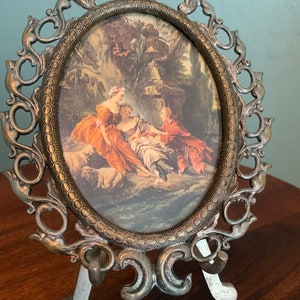
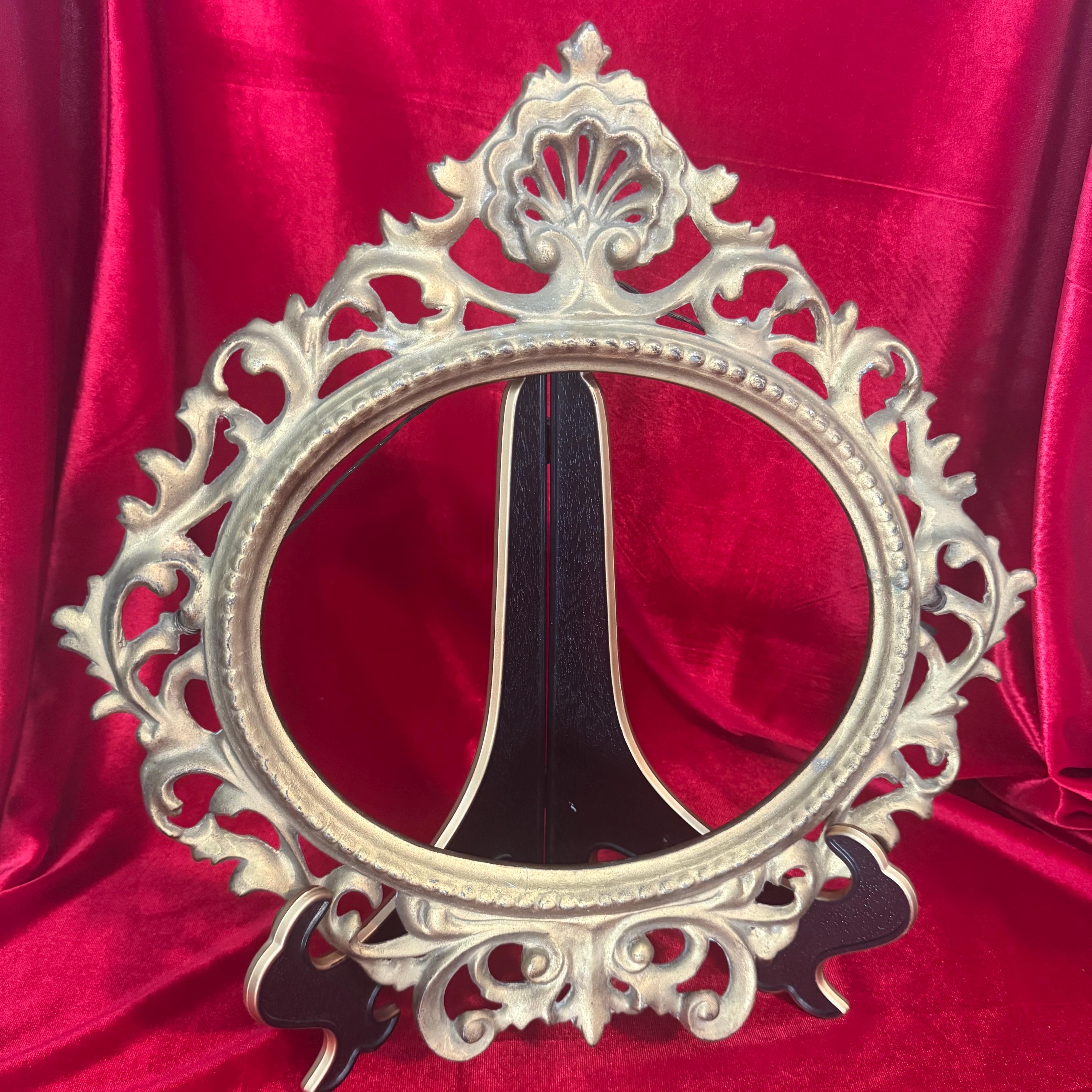
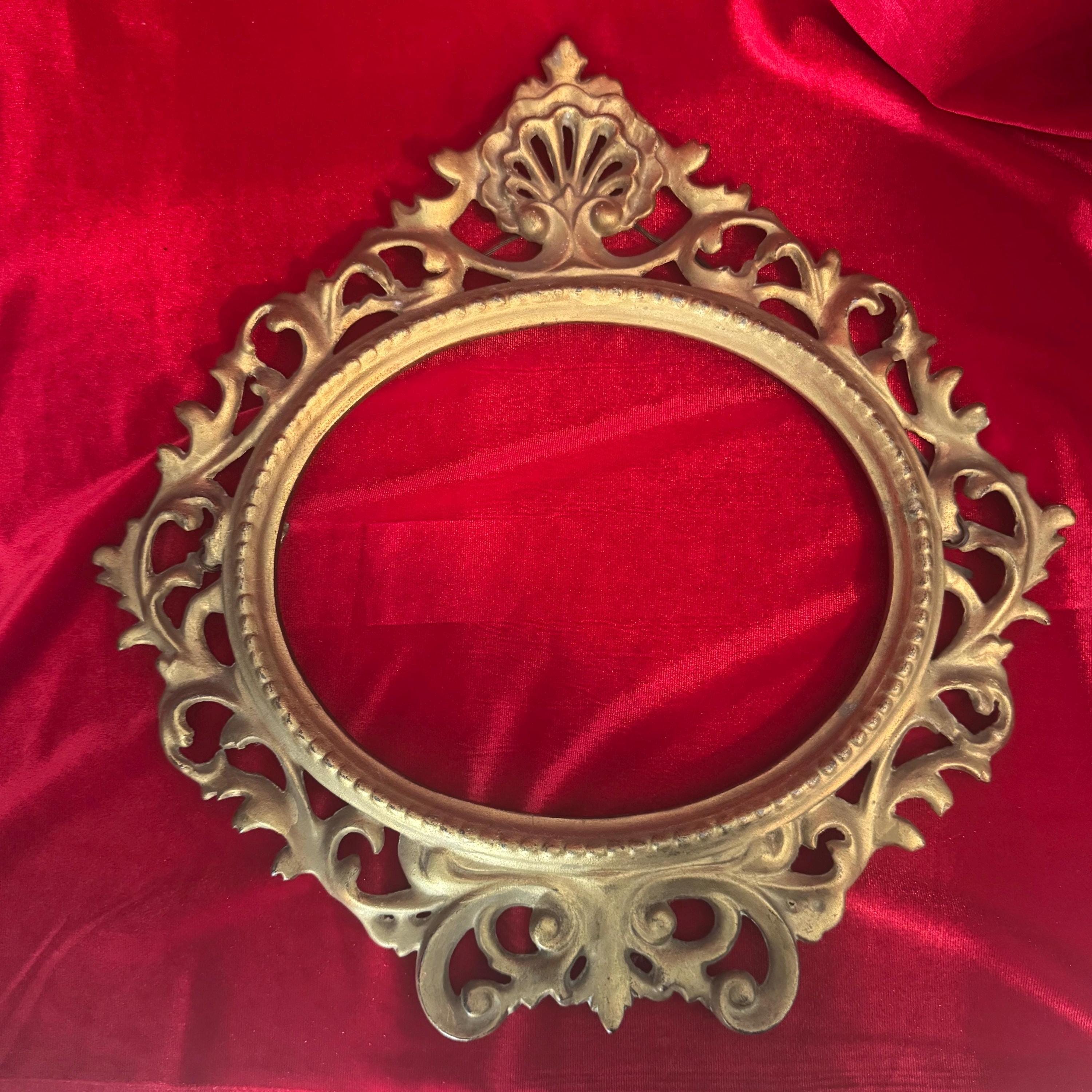
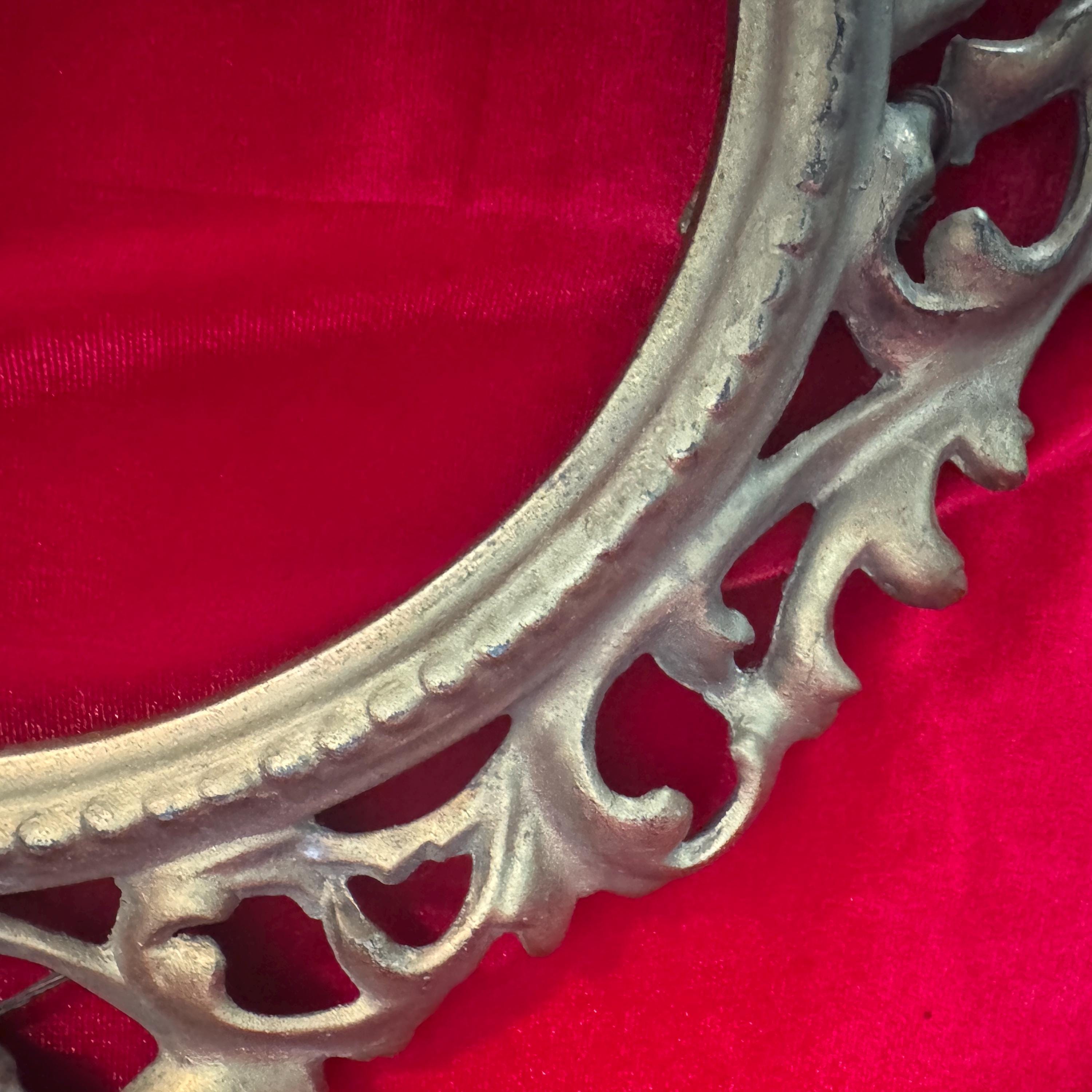
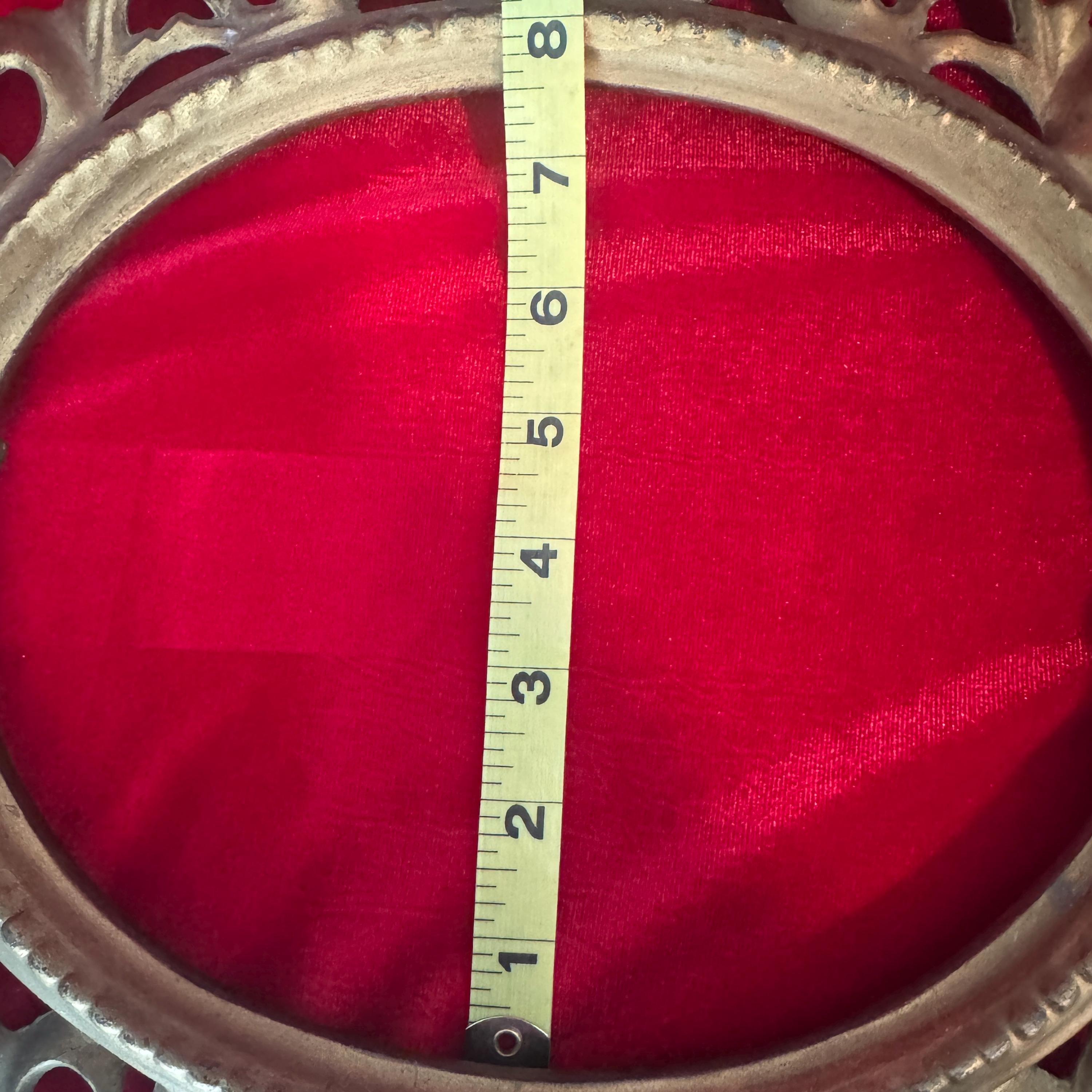
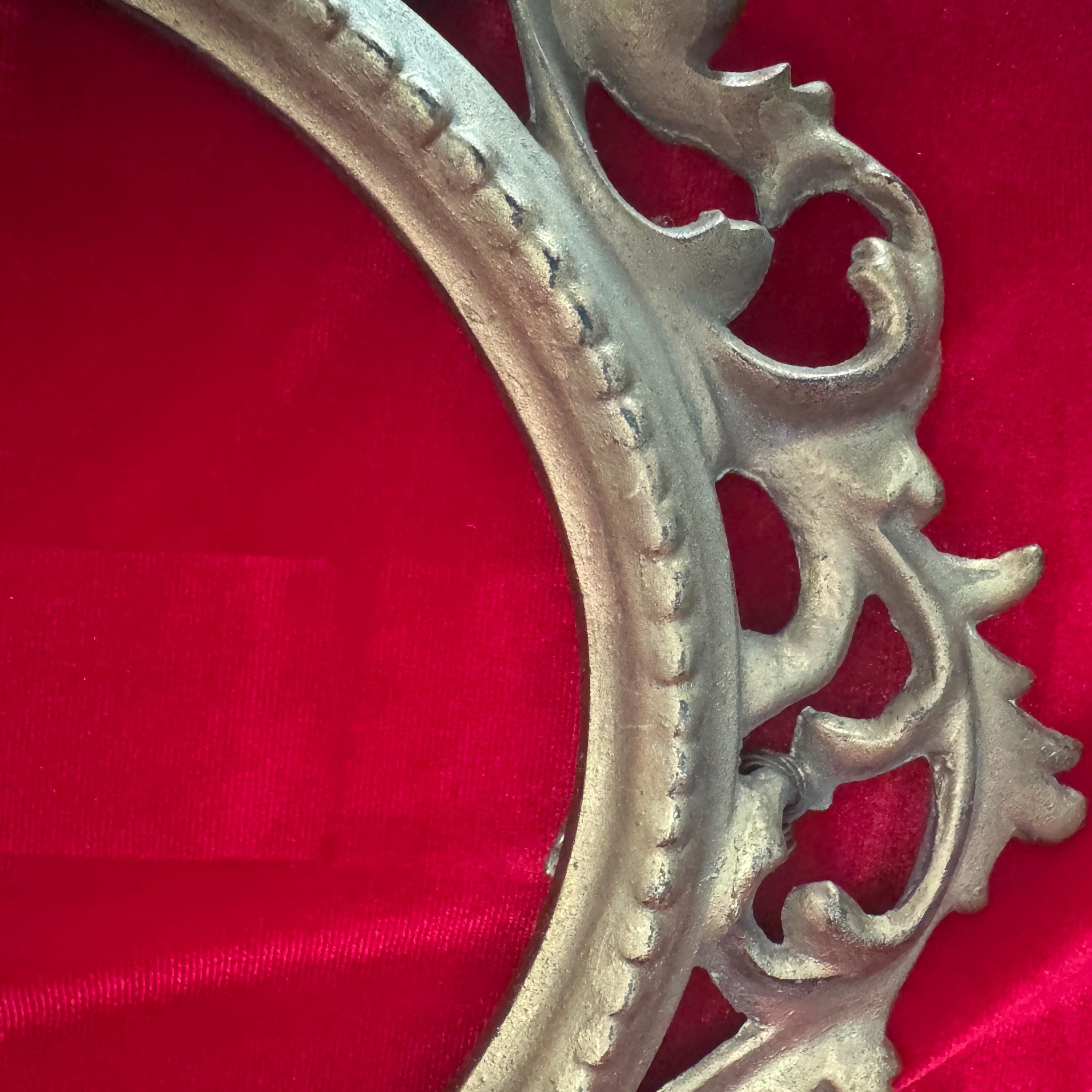
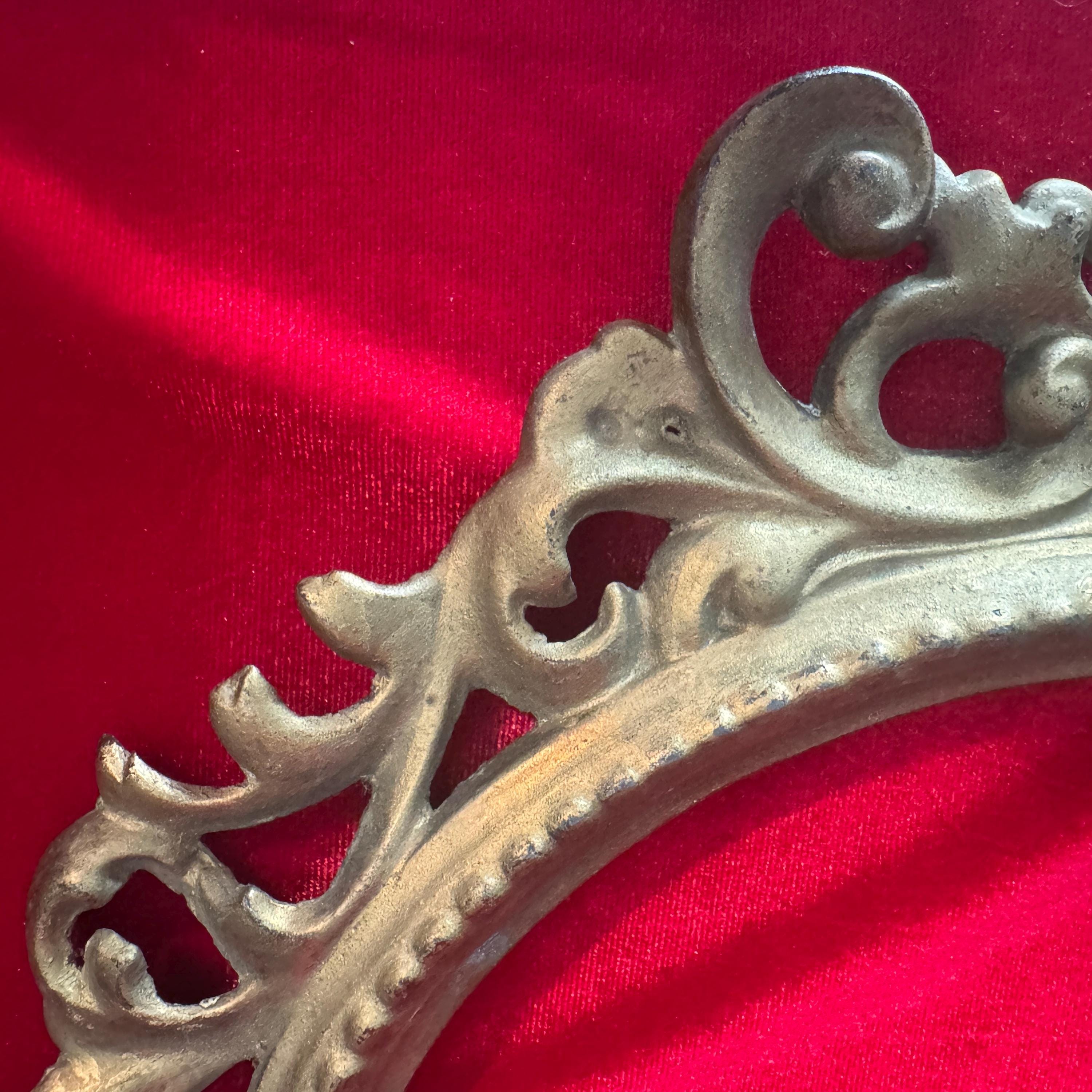
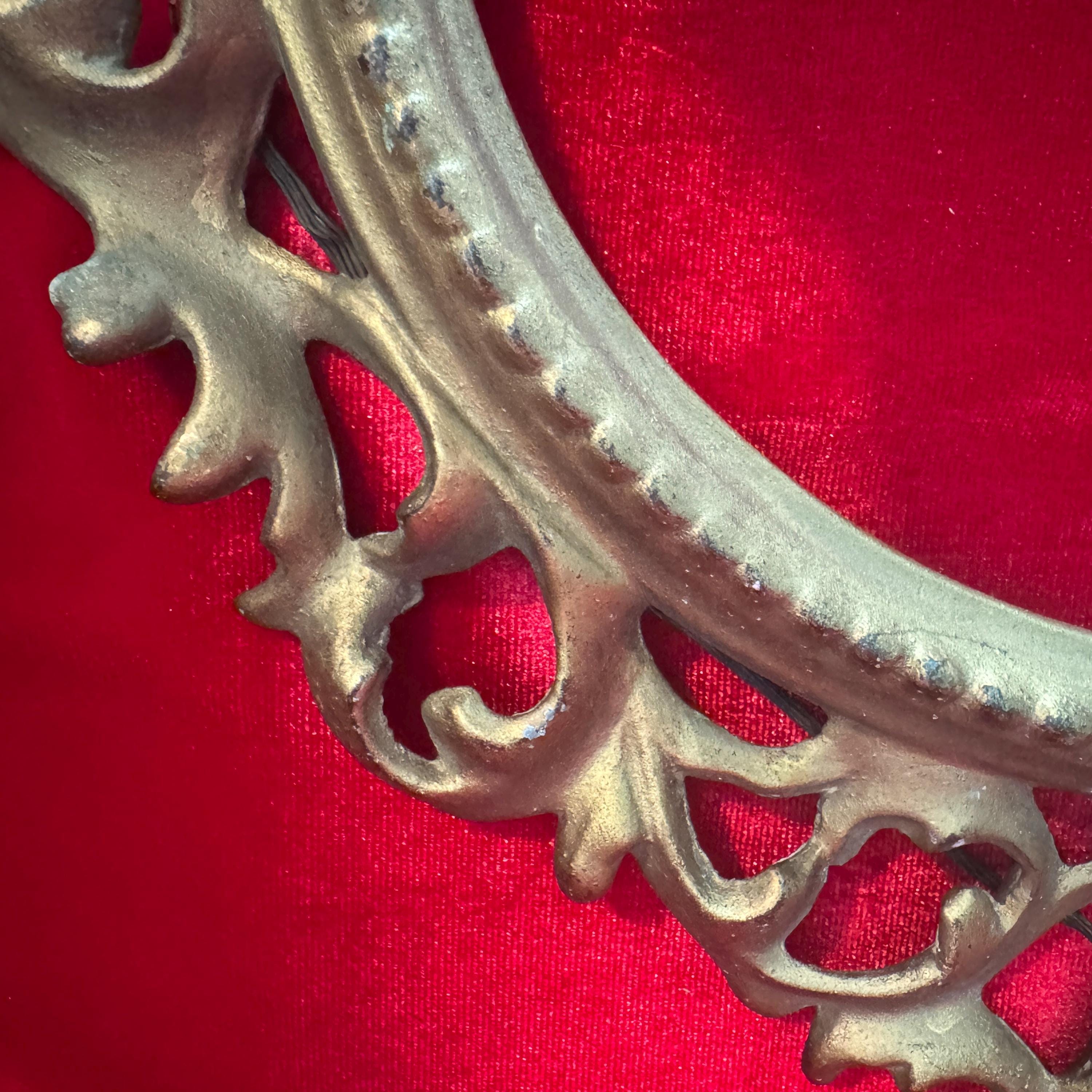
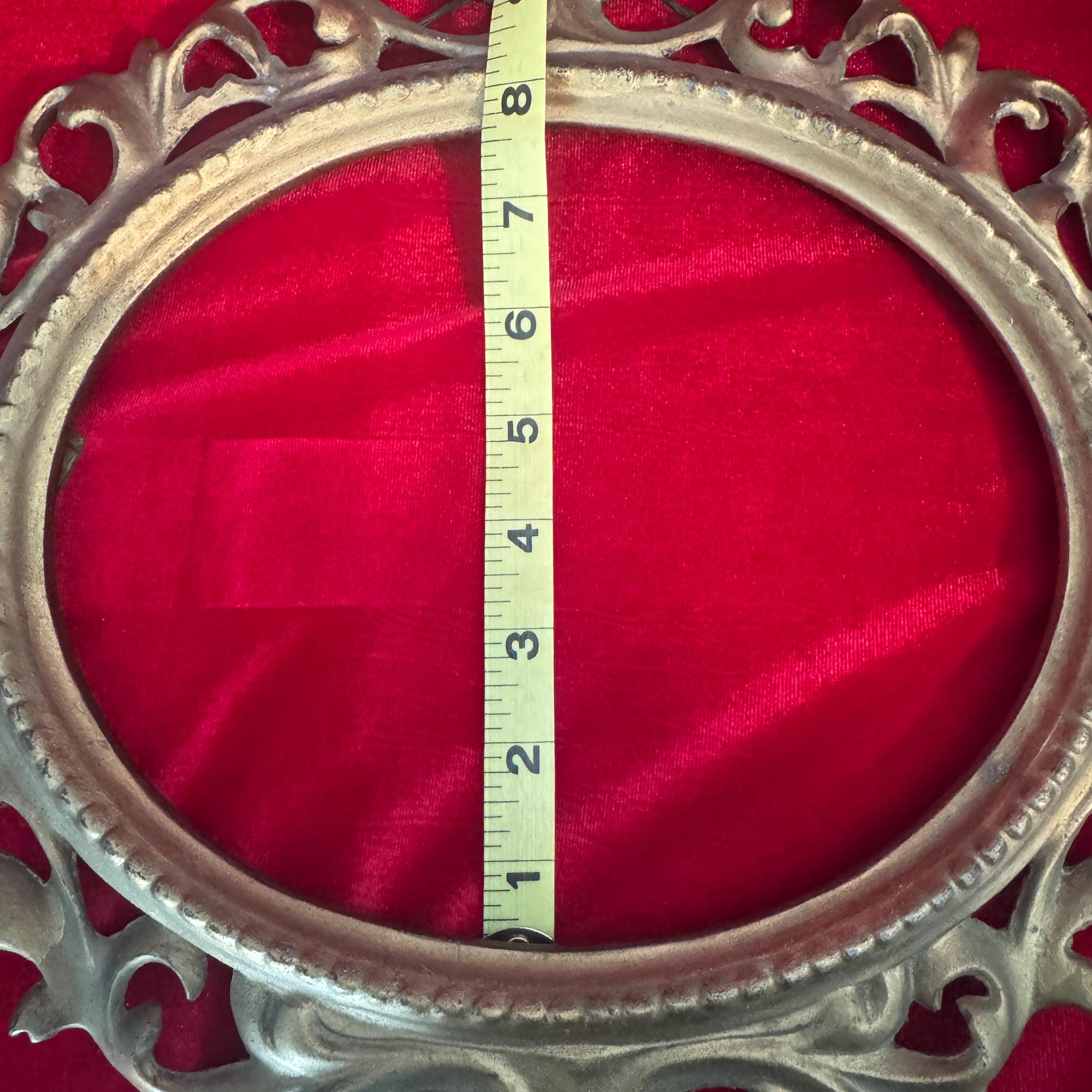
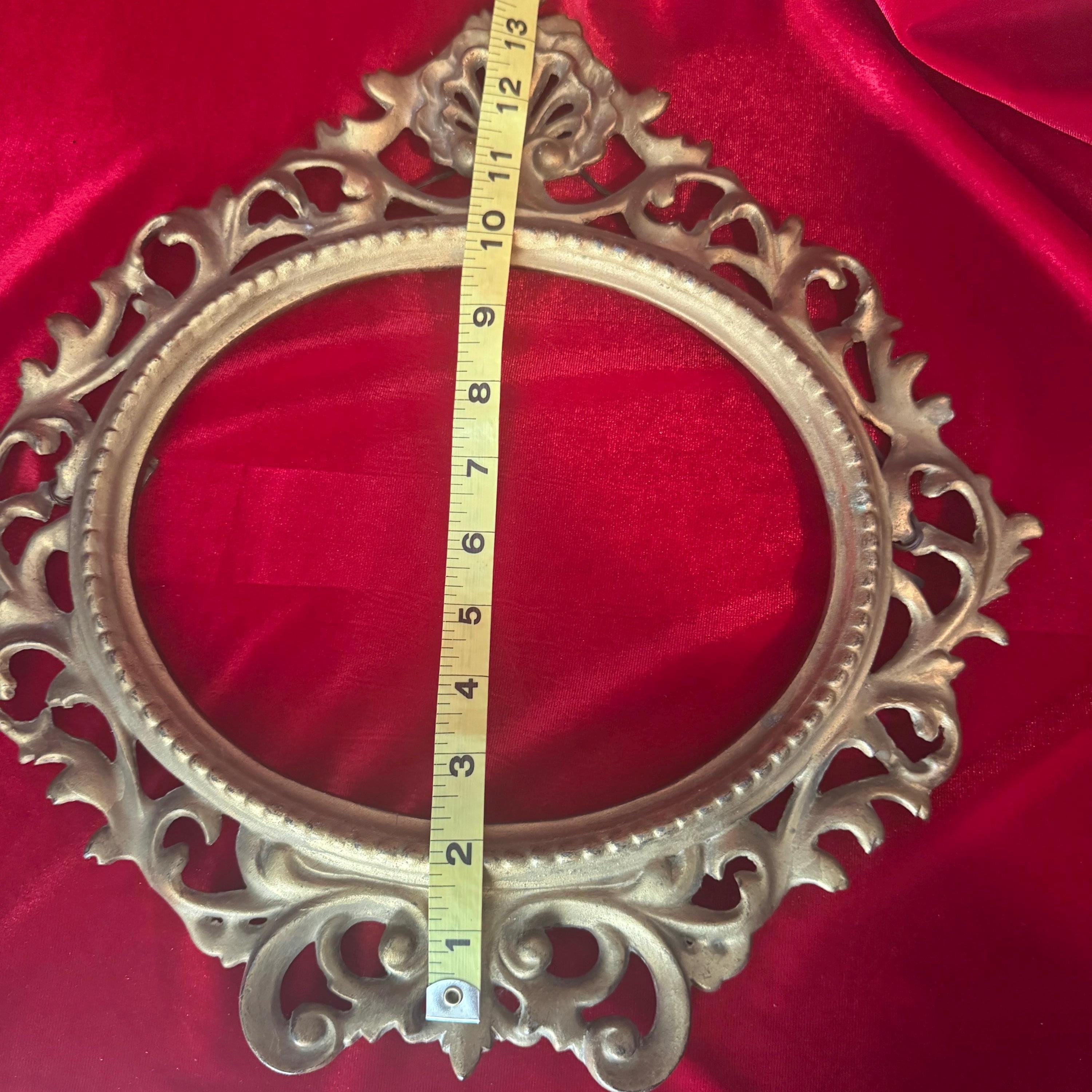
Victorian Oval Cast Iron Ornate Photo Frame, Mid-19th Century Tabletop Art
$82.15
-
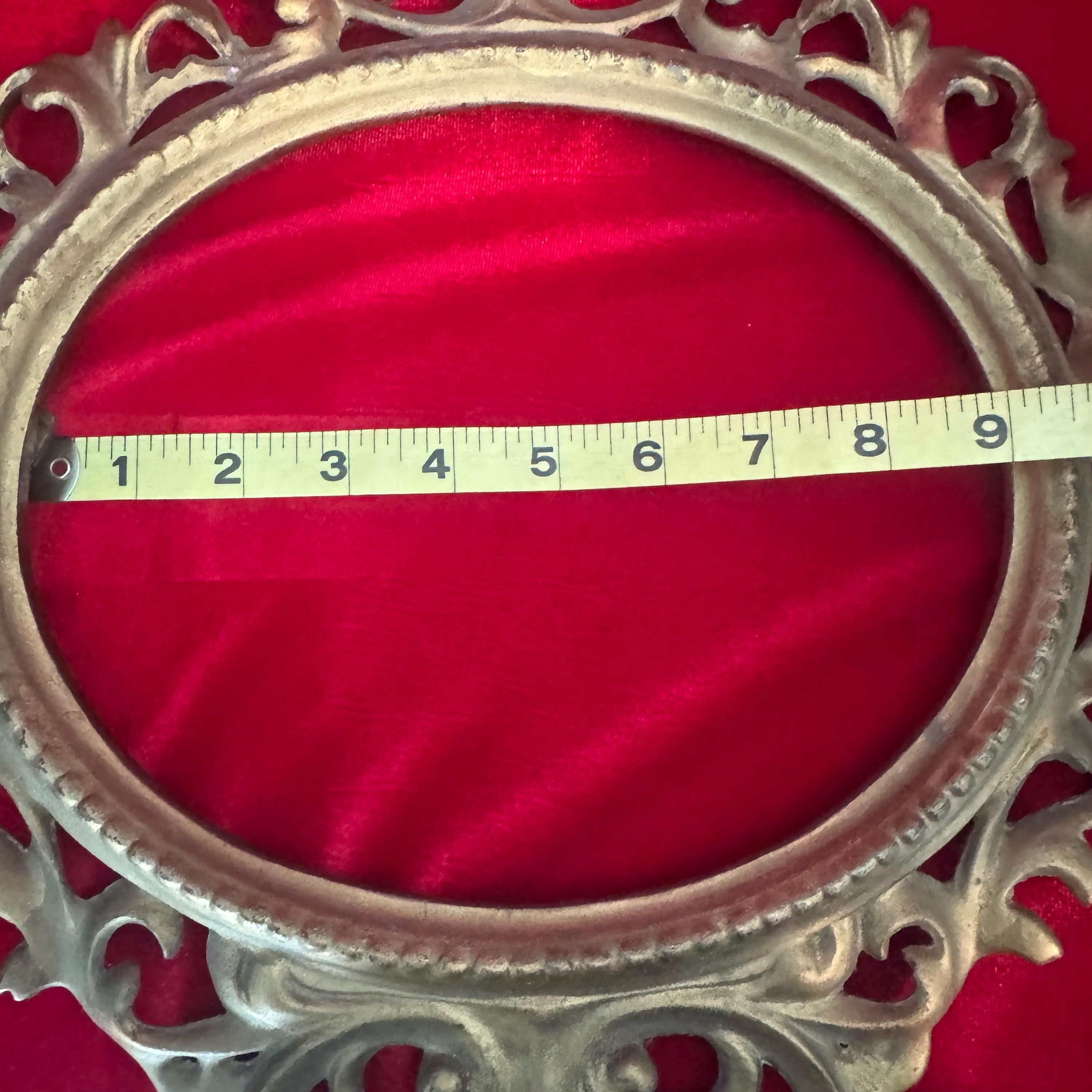
DetailsVintage Oval Cast Iron Frame
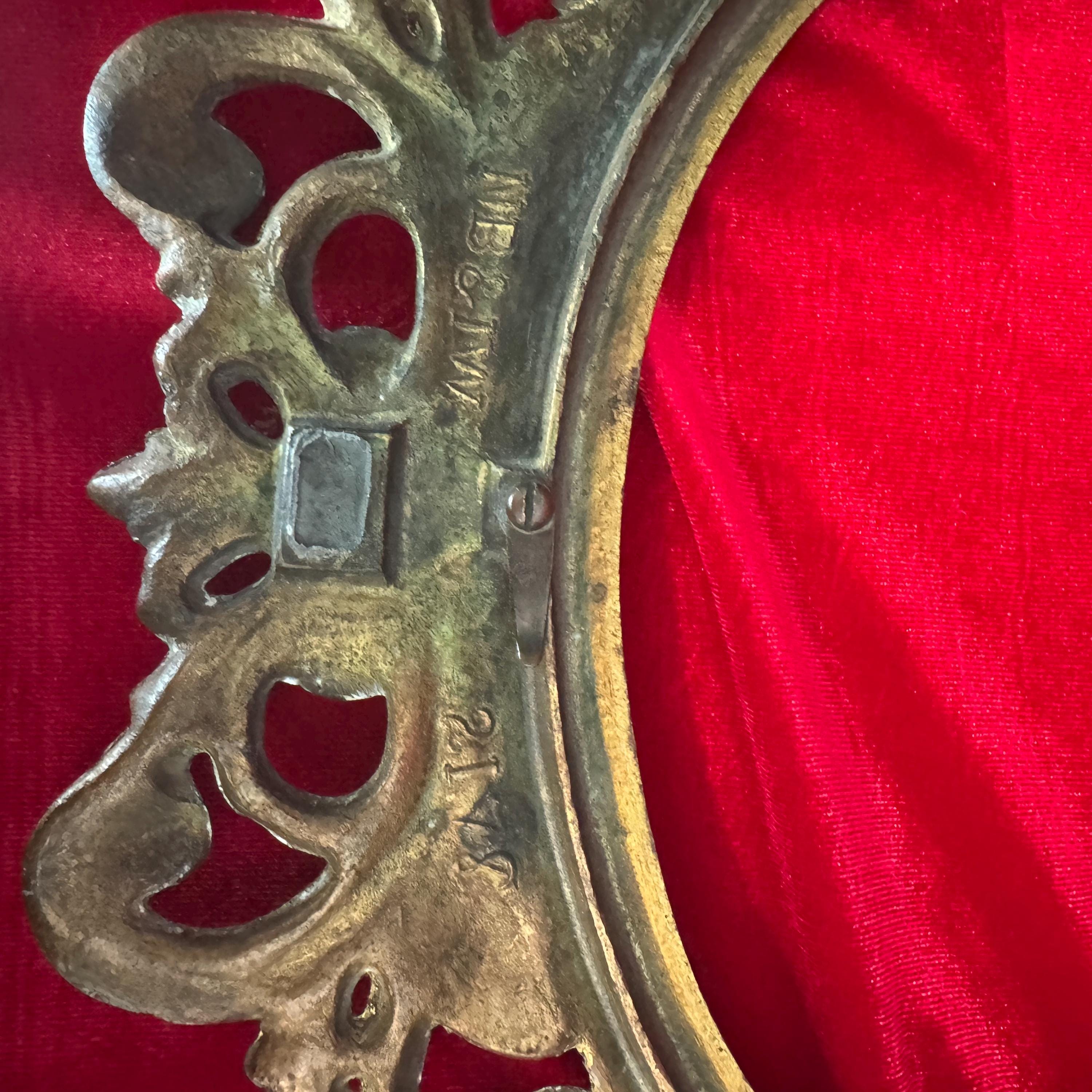
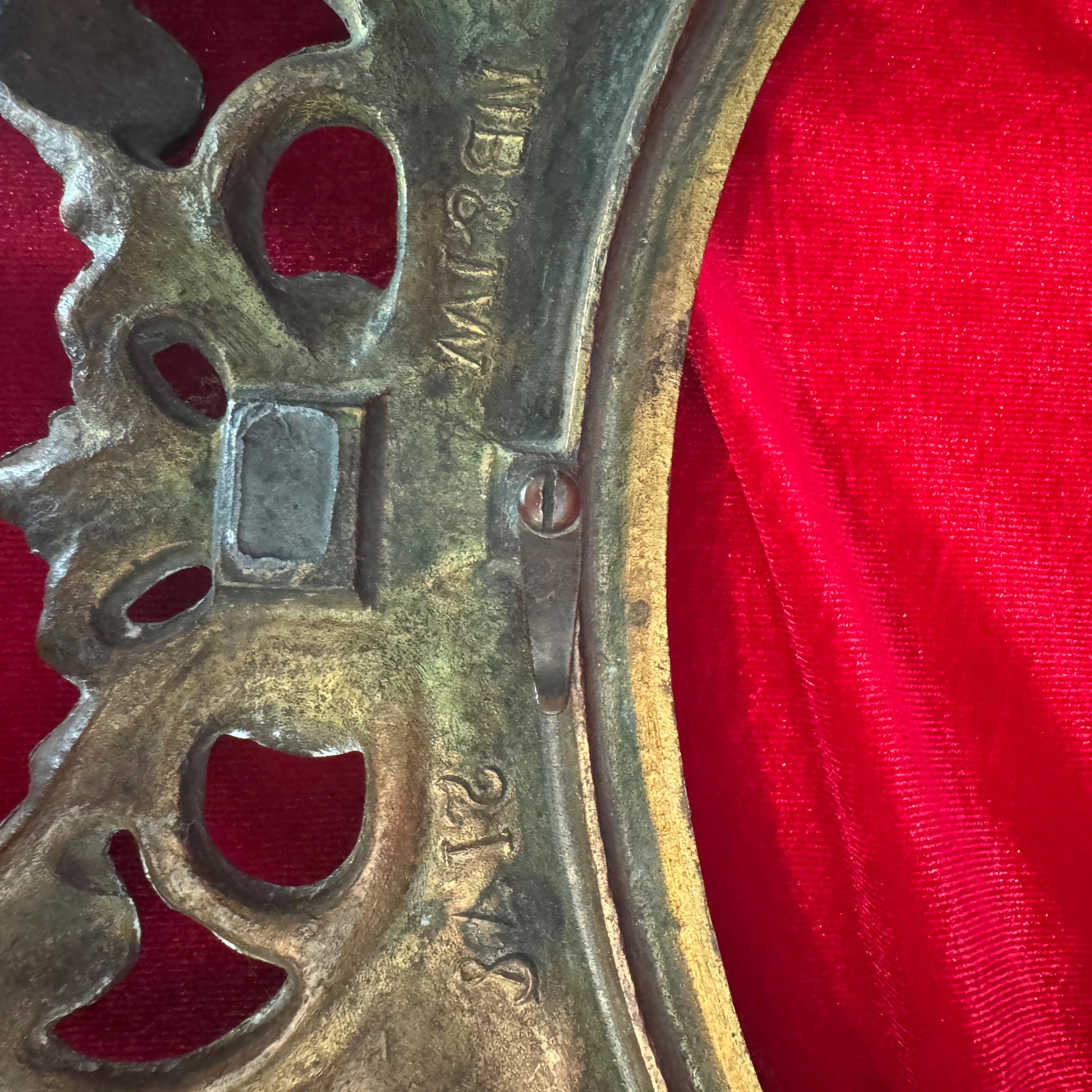
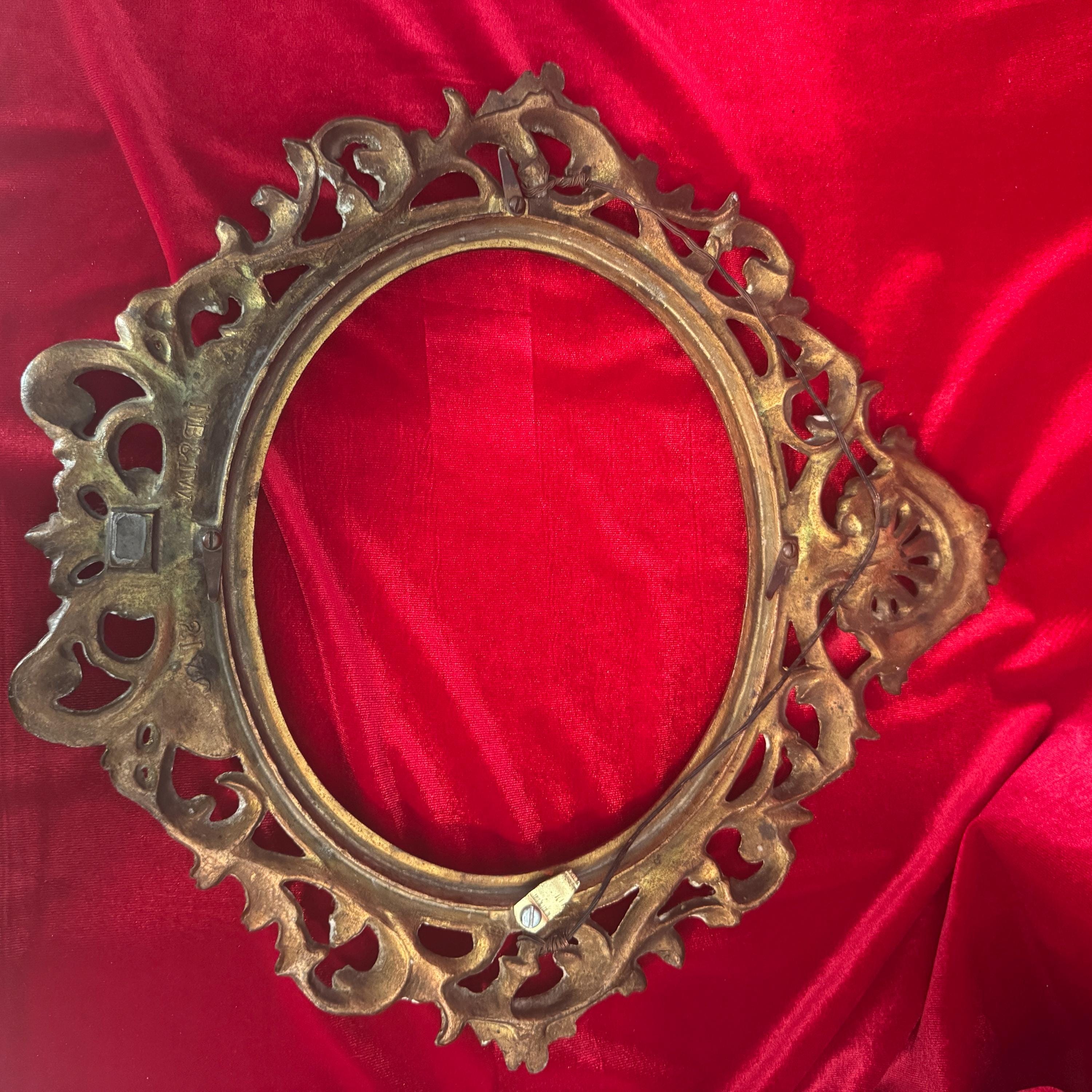
Back marked NB & IW 21 78
Missing bottom pedestal
leg for standing upright
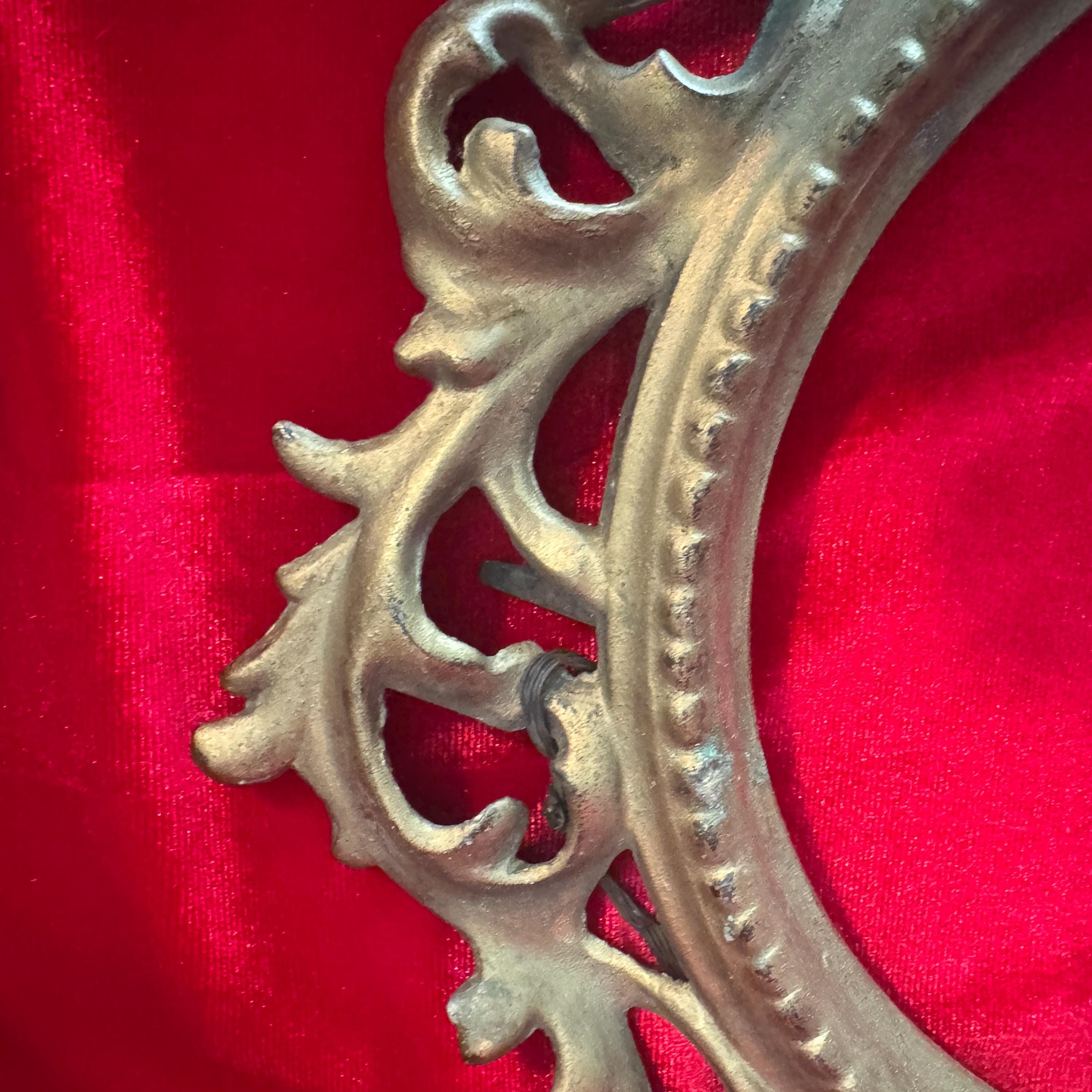
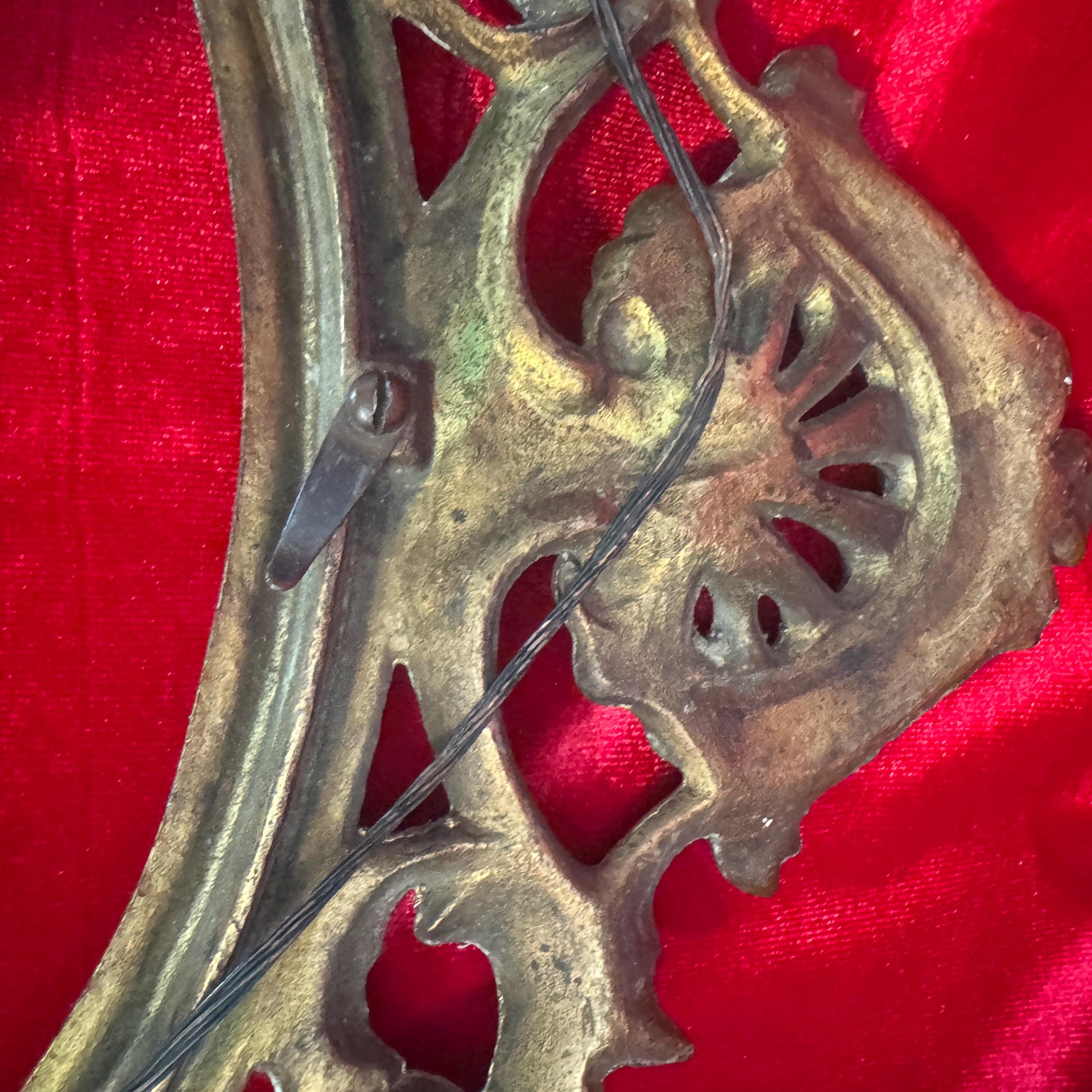
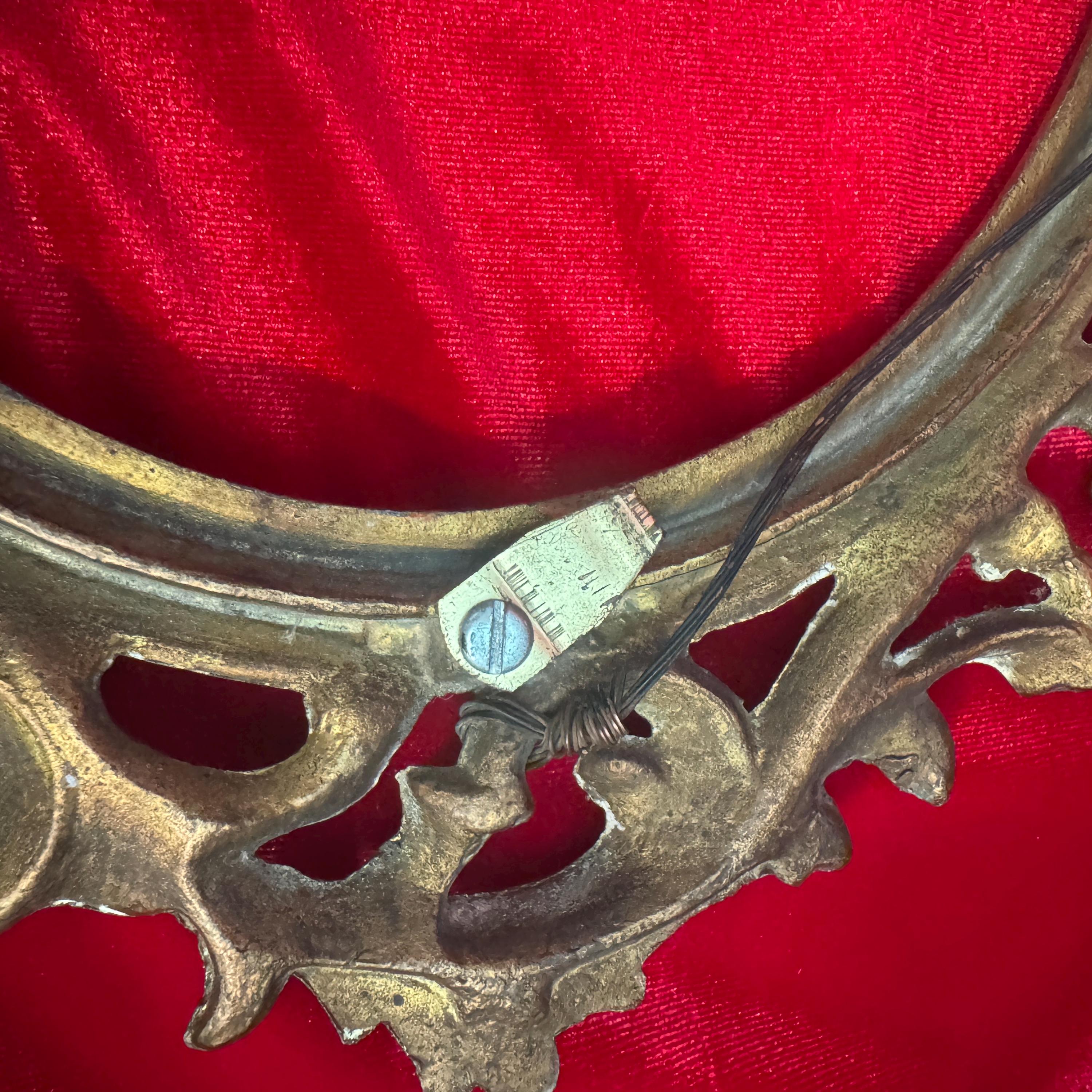
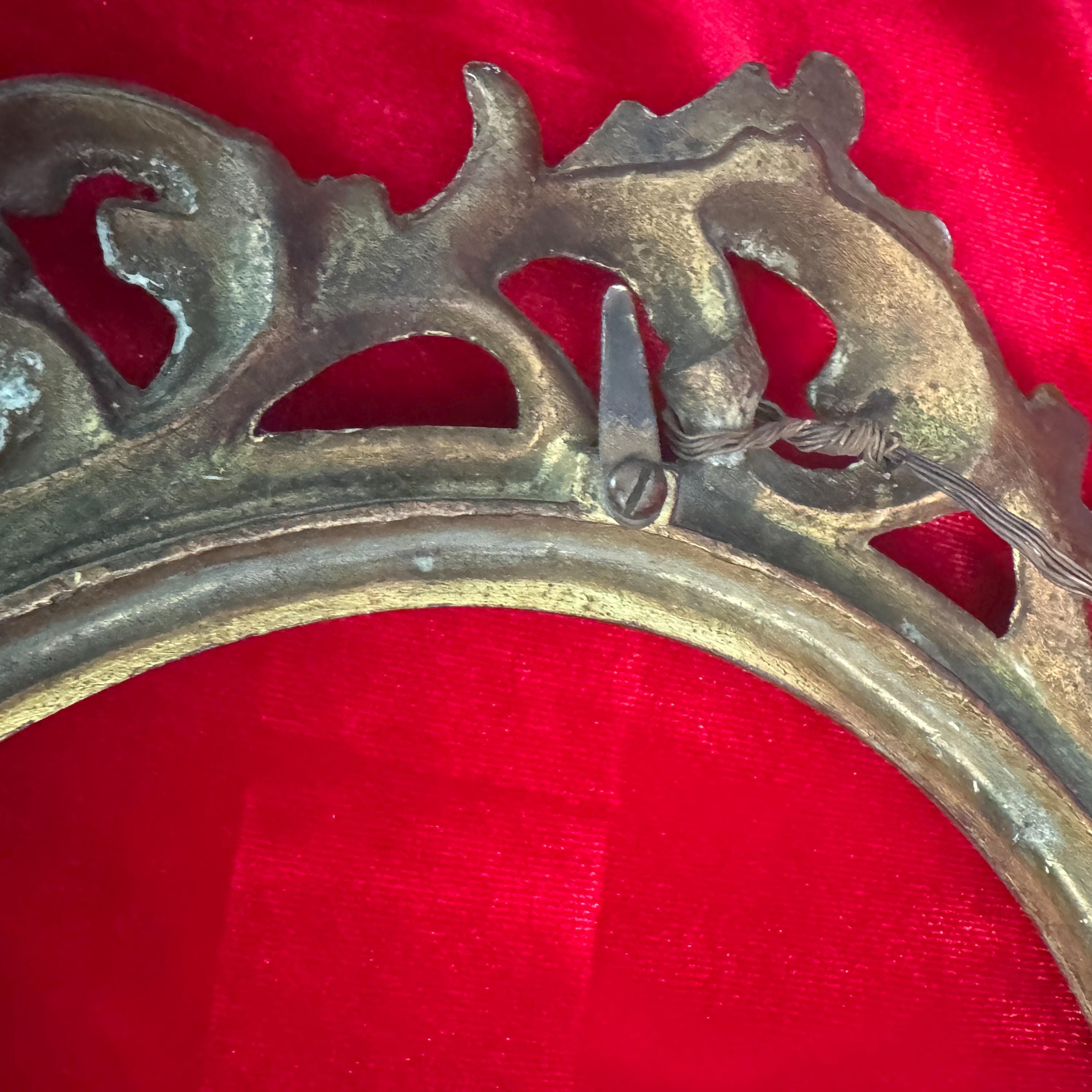
One of the hinged levers has been replaced, see photos
****Vintage Easel Not Included
Weight is 4.7lbs
Ships FREE within the USA
Regarding the flat screws :
Flat screws on backside denote age to mid 1800’s
Flat screws (slotted flathead screws) were primarily used on ornate cast iron picture frames during the Victorian era, roughly spanning from the 1840s to the turn of the 20th century.
While slotted screws existed earlier, the specific combination of cast iron, ornate (often Renaissance Revival or Rococo) design, and machine-cut flathead screws points to the following periods:
Mid-19th Century (1840s–1860s): The introduction of the machine-made gimlet point screw in 1848 began the era of more consistent threads, though many screws still featured hand-cut slots or slight irregularities.
Late-Victorian Era (1870s–1900): By this time, mass-produced cast iron frames were common, typically featuring flathead, slotted screws to fasten backplates, easel stands, or ornamental attachments.
Key Indicators for Dating:
Pre-1840s: Screws were usually handmade, with irregular, hand-filed slots, and blunt (non-pointed) tips.
Post-1848: Machine-made screws with tapered, pointed tips and uniform threads became standard.
Significance: If the slots on the screw head look like they were finished with a hacksaw (irregular), they are likely pre-1850. If they are perfectly stamped, they are likely post-1850
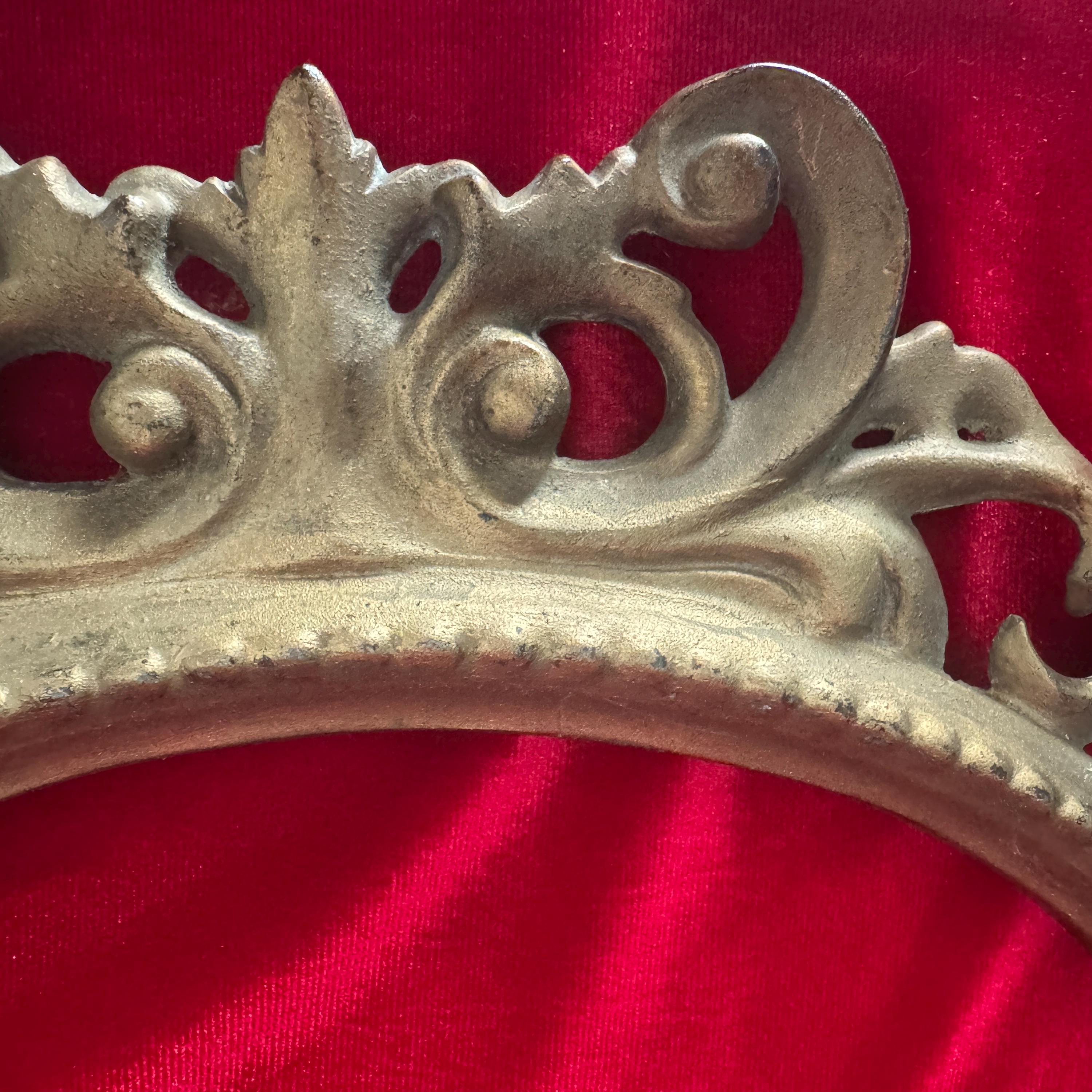
Look closely at all photos
It ships next business day from Arizona 🌵 USPS mail.
If you're looking for something specific, please reach out. I also have 4 other shops to pick from.
@Ruby Mae Fashion
@Ruby Mae Buttons
@Ruby Mae Christmas
@Ruby Mae Jewelry
Thanks for shopping by. Leah 🌸 -
Shipping & Policies